advertise
Goose Watching

Goose Watching on

The Island

Discover avian wonders.

British Columbia, Canada

Scroll to explore
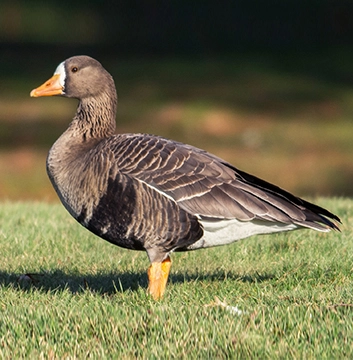
Greater White-fronted Goose Watching on Vancouver Island

Greater White-fronted Goose Watching on Vancouver Island

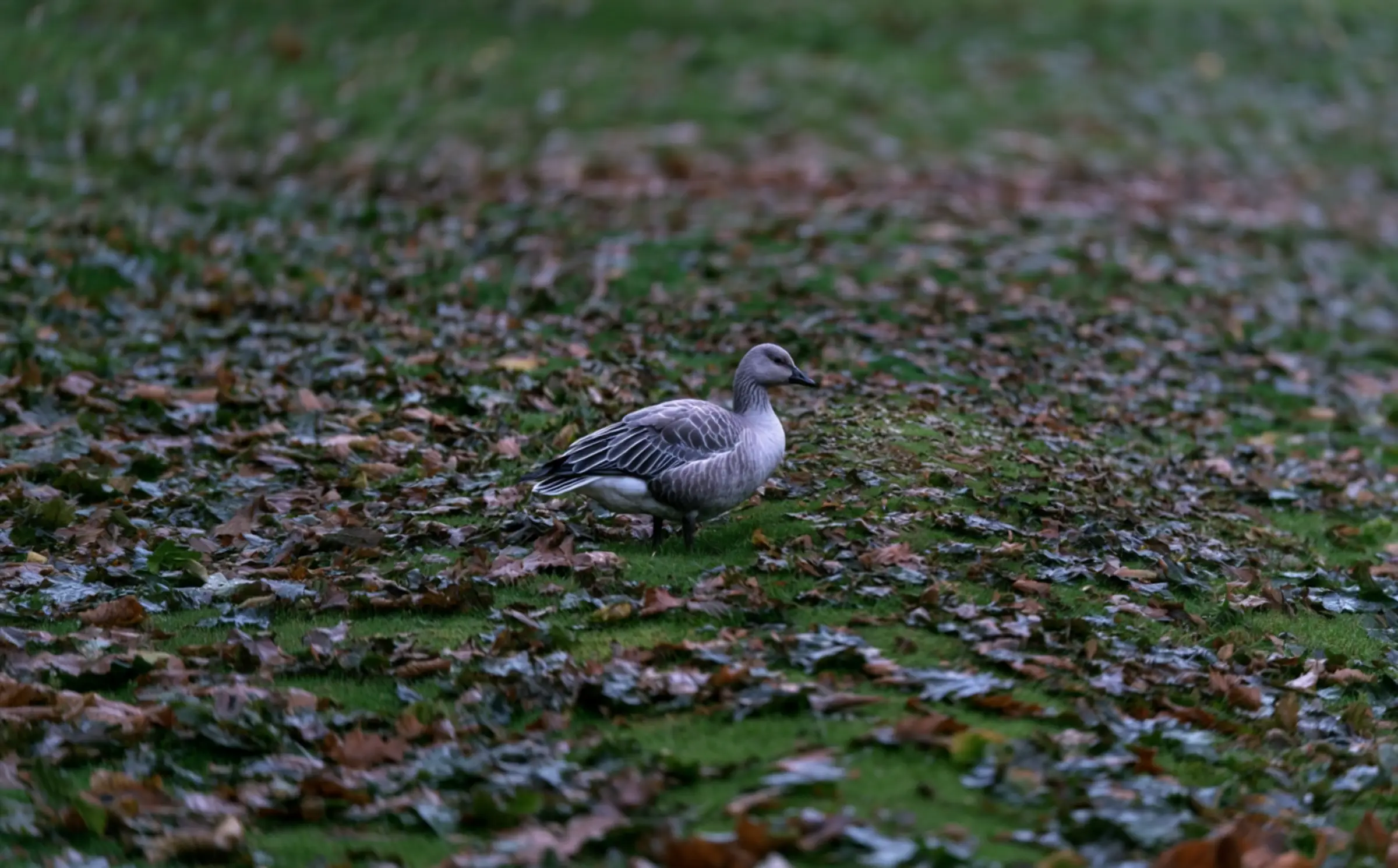
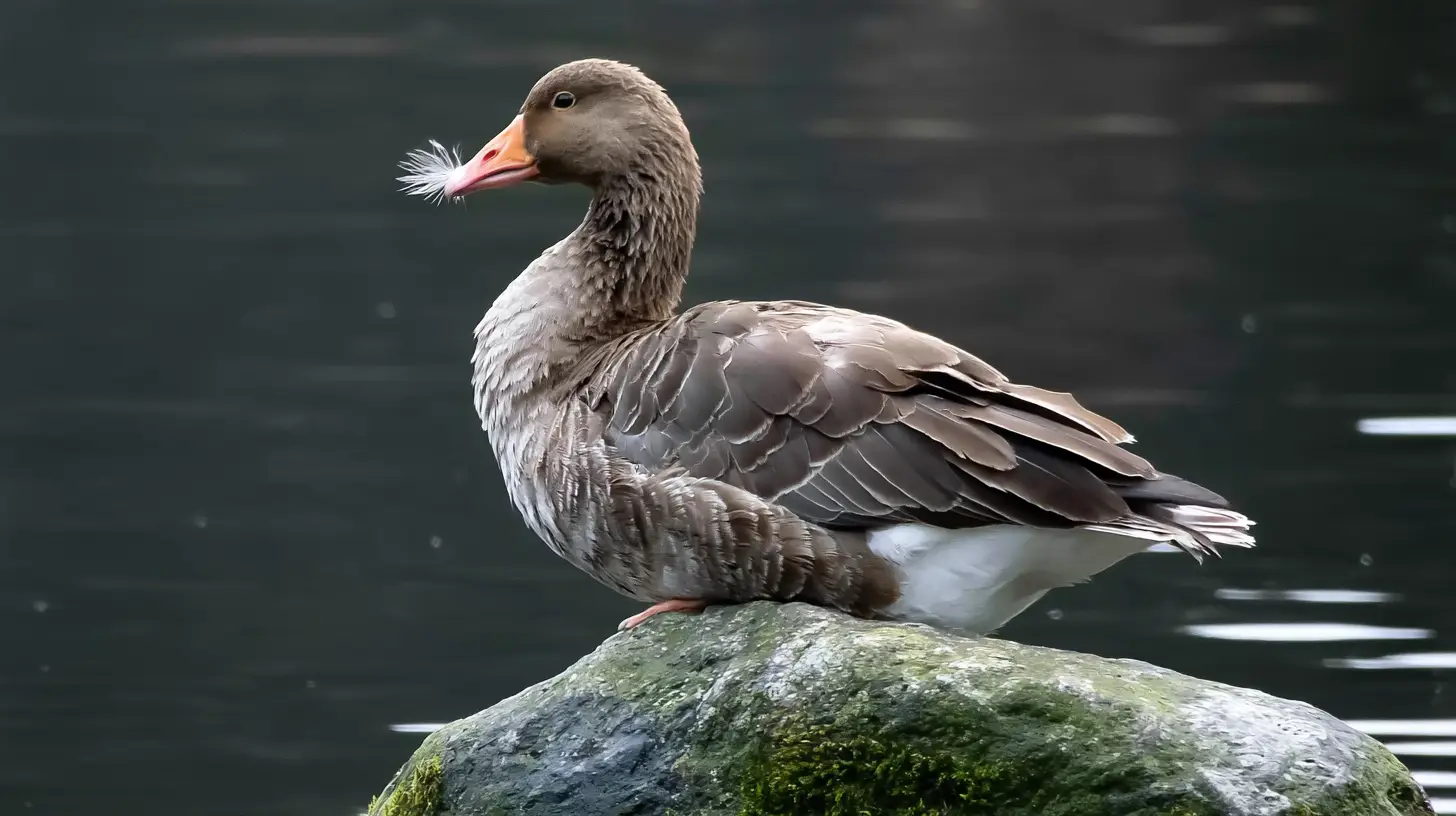
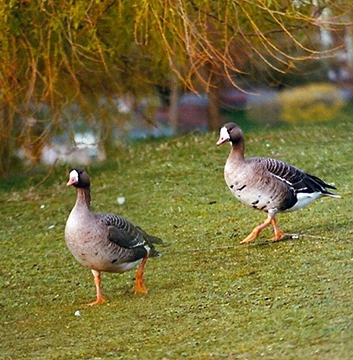
The Greater White-fronted Geese is a stocky brown goose found across the Northern Hemisphere, including Vancouver Island.
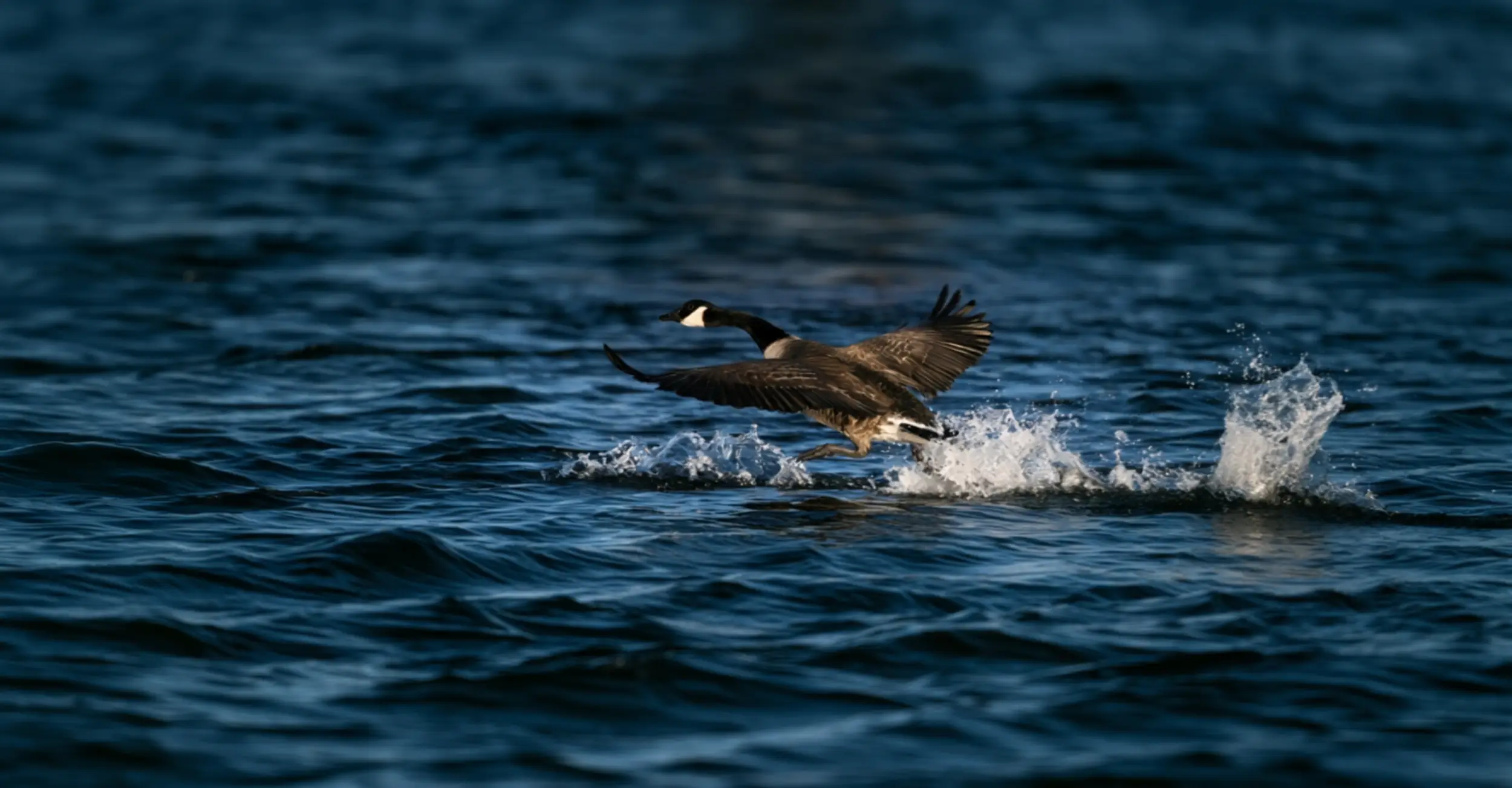
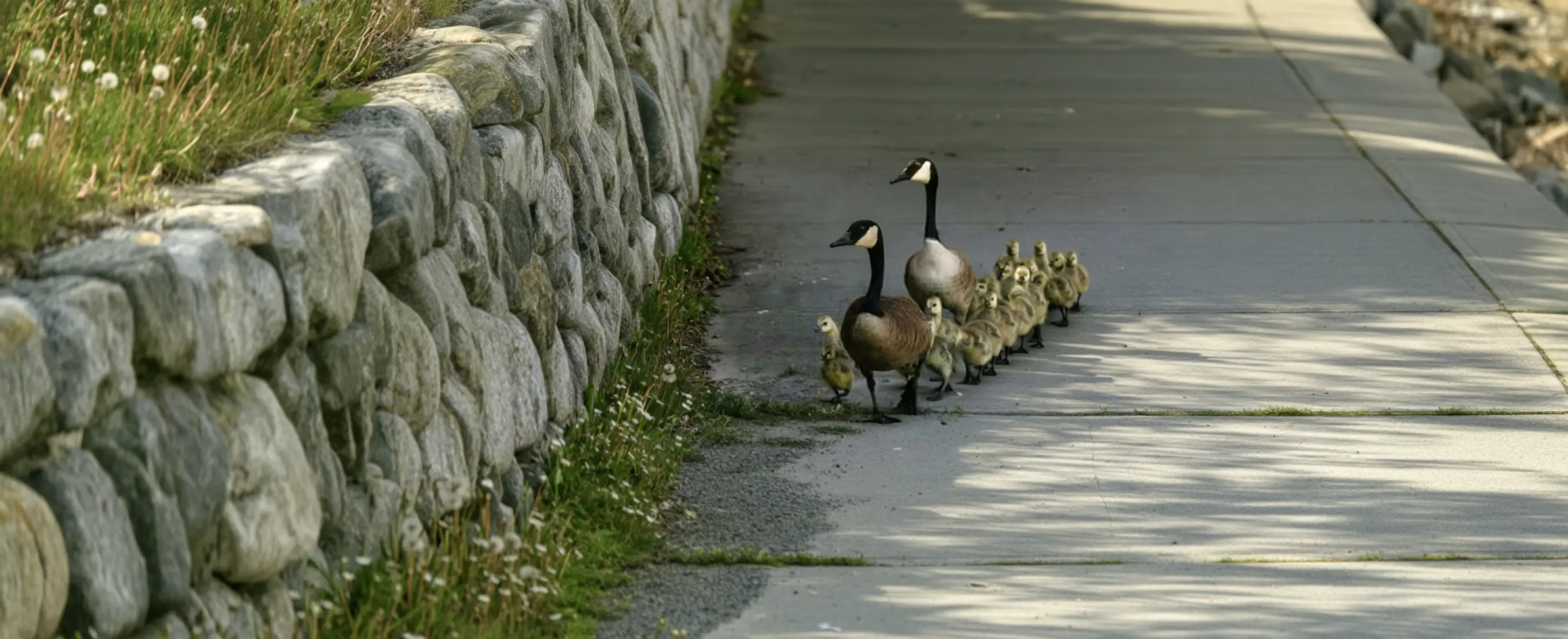
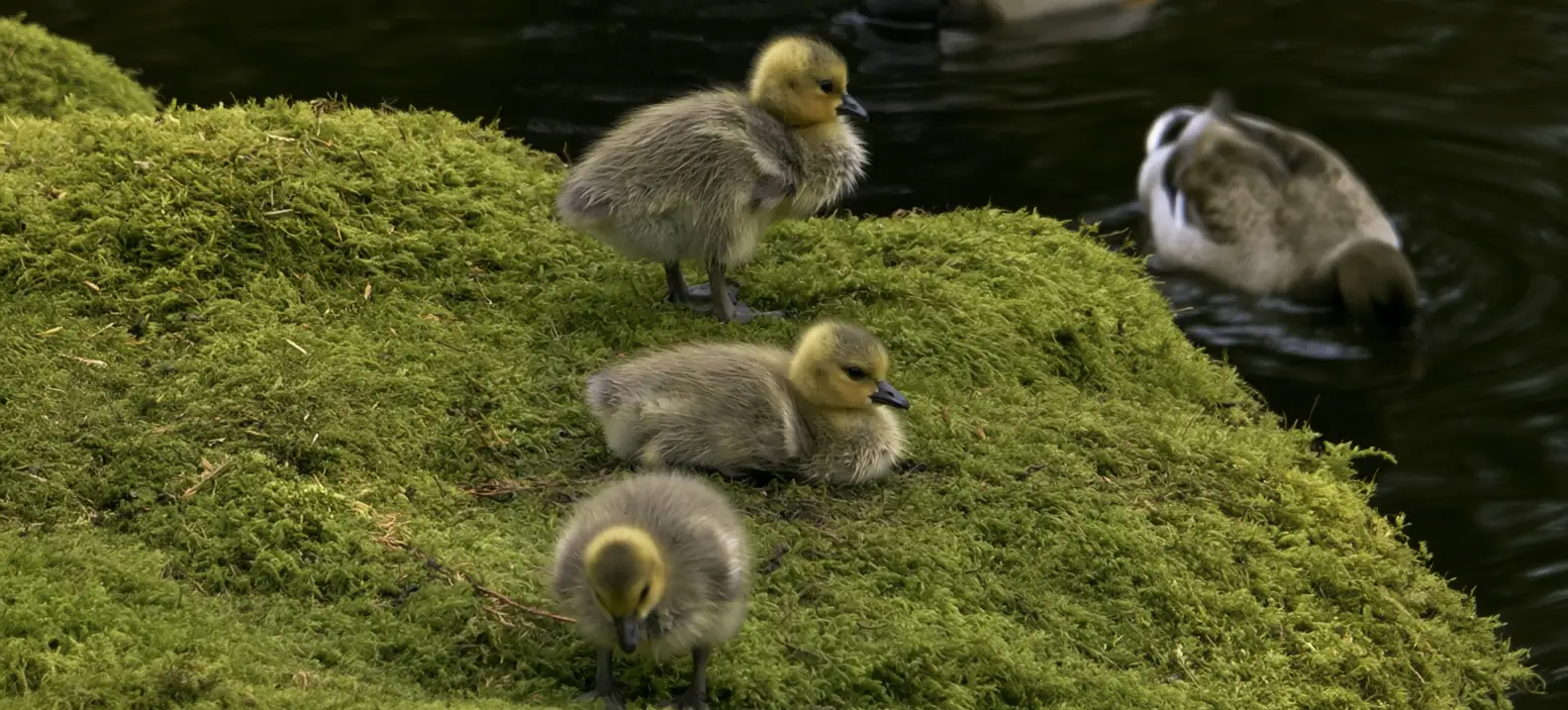
Canada Goose Watching on Vancouver Island

Canada Goose Watching on Vancouver Island

Canadian Geese abound on Vancouver Island throughout the winter months. When migratory birds return north in the spring, this rises. Their unique coloration makes them easy to spot.
Brant Watching on Vancouver Island

Brant Watching on Vancouver Island

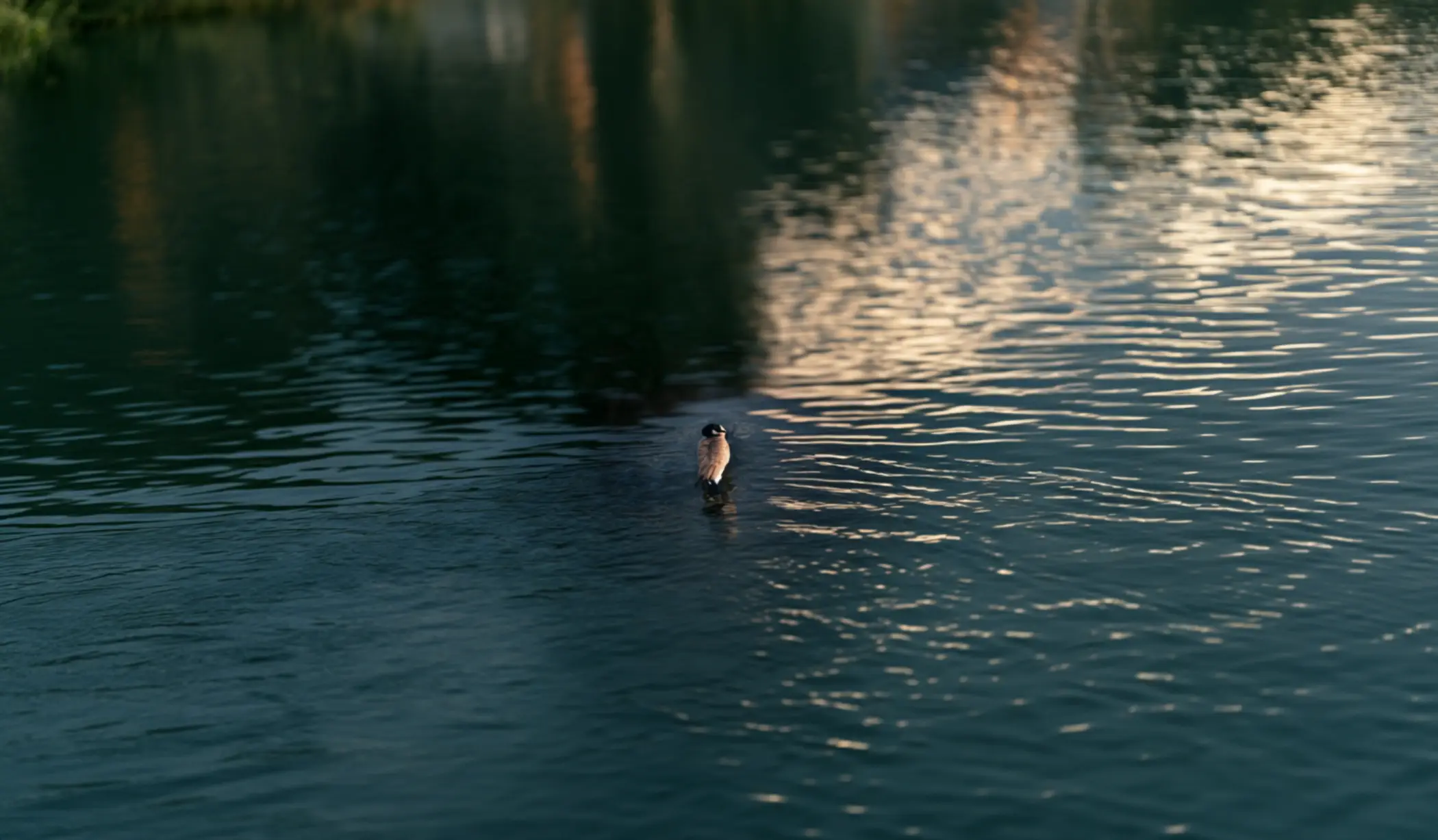
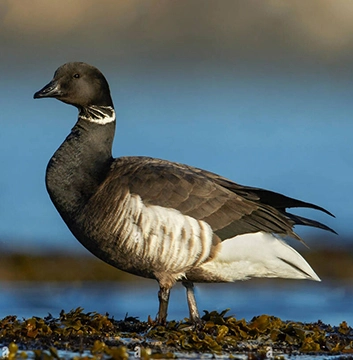
Brant is a type of migratory game bird on Vancouver Island. These waterfowls can be categorized as geese which come to the Island every spring.
Eagle Watching on Vancouver Island

Eagle Watching on Vancouver Island

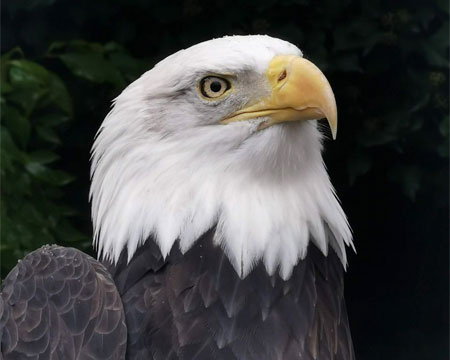
Come to Vancouver Island to see how the apex feathered predator come down from the sky for a grab. Let Vanisle Wildlife be your company!
FEATHERED

Goose Watching on
Vancouver
Island

Vancouver Island is known to be a bird watching paradise. Did you know that geese would fly thousands of miles in winter just to experience the wonderful springs of Vancouver Island? They are pretty good fliers and spend a lot of time above the clouds. As a very good example, based on a report by CTV News, researchers from Vancouver Island University are surprised that a Canada goose they tagged five years ago has been found over 3,000 kilometers distant in Chicago. In October, a lady walking through Chicago's Lincoln Park recognized the tagged geese.

Geese (plural form of Goose) are a waterfowl family that is closely linked to ducks and swans, and they are mostly migratory. In other words, they appear seasonally on Vancouver Island. In the Northern Hemisphere, geese are most numerous in temperate areas. Geese, especially Canadian geese, abound on Vancouver Island throughout the winter months. As migrating birds return north in the spring, this number rises. Their unique coloration makes them easy to spot.

The Canada Goose is counted as one of the most flexible birds on Vancouver Island, nesting in various environments ranging from forests to open grasslands, and rough terrain to flat plains, as long as there is permanent water nearby. It frequently builds its nest in the nests of large raptors (eagles and ospreys), on other natural platforms, and on man-made buildings. To now more about Canada geese subspecies and other geese species on Vancouver Island stay with us!

Canada Goose on Vancouver Island
Flock of gooses
Gooses background

Where to See Geese
on Vancouver Island?

Although they favour low-lying locations with plenty of open water, Canadian geese are adaptable to various habitats. When they're breeding, they'll frequently build their nest on an island to give more protection from predators. These birds have made a great transition to city life which resulted in raising Canada geese population; even some people would search for a solution to get rid of Canada geese, no matter what the type is. Their urban population is increasing. Some birds have lost the desire to migrate and spend the rest of their lives in cities. According to The Atlas of Breeding Birds of British Columbia, the Vancouver Canada Goose is a coastal dweller from southwest Alaska to northern Vancouver Island. Northern British Columbia is home to the Lesser Canada Goose, while the Dusky Canada Goose migrates across the province, which means you may occasionally encounter them on Vancouver Island during any other wildlife watching trip such as whale watching and bear watching. On the other hand, Brant is the spring guest on Vancouver Island. To welcome them to the Island, there is a festival named after these geese every year. Every April, the municipalities of Parkville and Qualicum Beach conduct a Brant Festival. A few sightings when the Brant geese were feasting on spawning herrings happened in Campbell River too.

Vancouver Island
Goose Species

If we want to start the number of every goose you may gaze upon during your goose watching tour, we would need more than one article to name them. As you know, because of the great climate Vancouver Island possesses, it is one of the ideal places where migratory gooses can spend a season or more. So, based on good timing, some migratory gooses might be present to show off their beauties.

However, the symbol of Vancouver Island goose watching is Bald eagles. Most common gooses on Vancouver Island are Ducks, Geese, Swans, Sandpipers, Phalaropes, Loons, Grebes, Murres, Puffins, Shearwaters, Cormorants, Avocets, Oyster Catcher, Herron, Belted Kingfisher and Bald Eagle, Plovers, Gulls, and Jaegers. Join our goose watching groups to show you our Vancouver Island feathered friends.

Bald Eagle
01
Brant Goose

Brant Goose

Brant geese, also known as Brant or Black Brant, migrate along the west coast of North America in the spring, stopping in the Pacific Northwest. Thousands of birds converge on coastal beaches and flats to eat on eelgrass, making their presence on Vancouver Island a reason for celebration. Every April, the municipalities of Parksville and Qualicum Beach celebrate the Brant Festival. Brants are a particular type of geese since they are a "coastal goose" species.

02
Greater White-fronted Goose

Greater White-fronted Goose

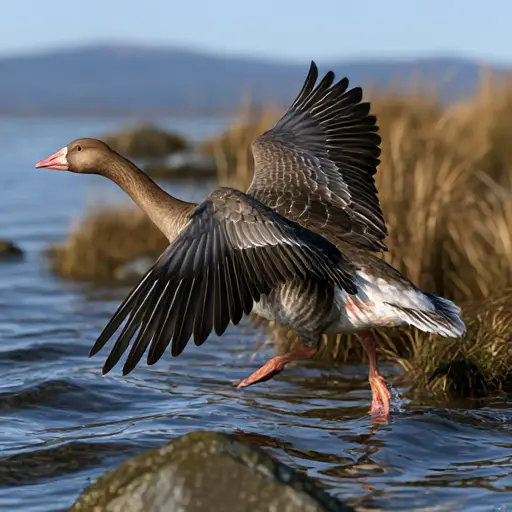
Also known as "the laughing goose", despite its name, this goose is not a white-fronted goose. It gets its name from a white stripe on the back of the bill. They feature large irregular black bands on their belly and are greyish-brown in colour. The adult "white-front" has greyish brown wings, head, neck, back, and rump, with no distinguishing plumage. The white patch around the neck and forehead (from whence it gets its name) may be seen up close, as well as the black, uneven markings on the breast and abdomen.

03
Canada Goose

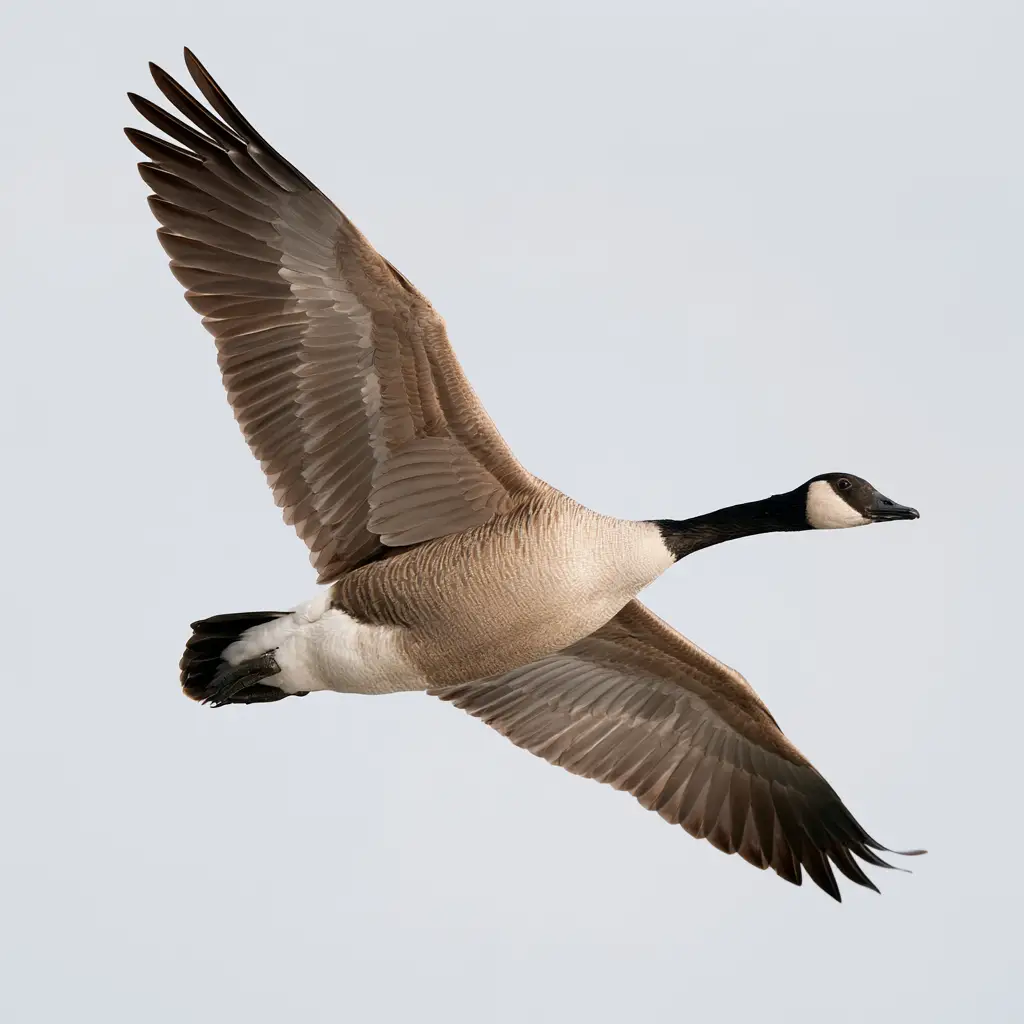
Canada Goose

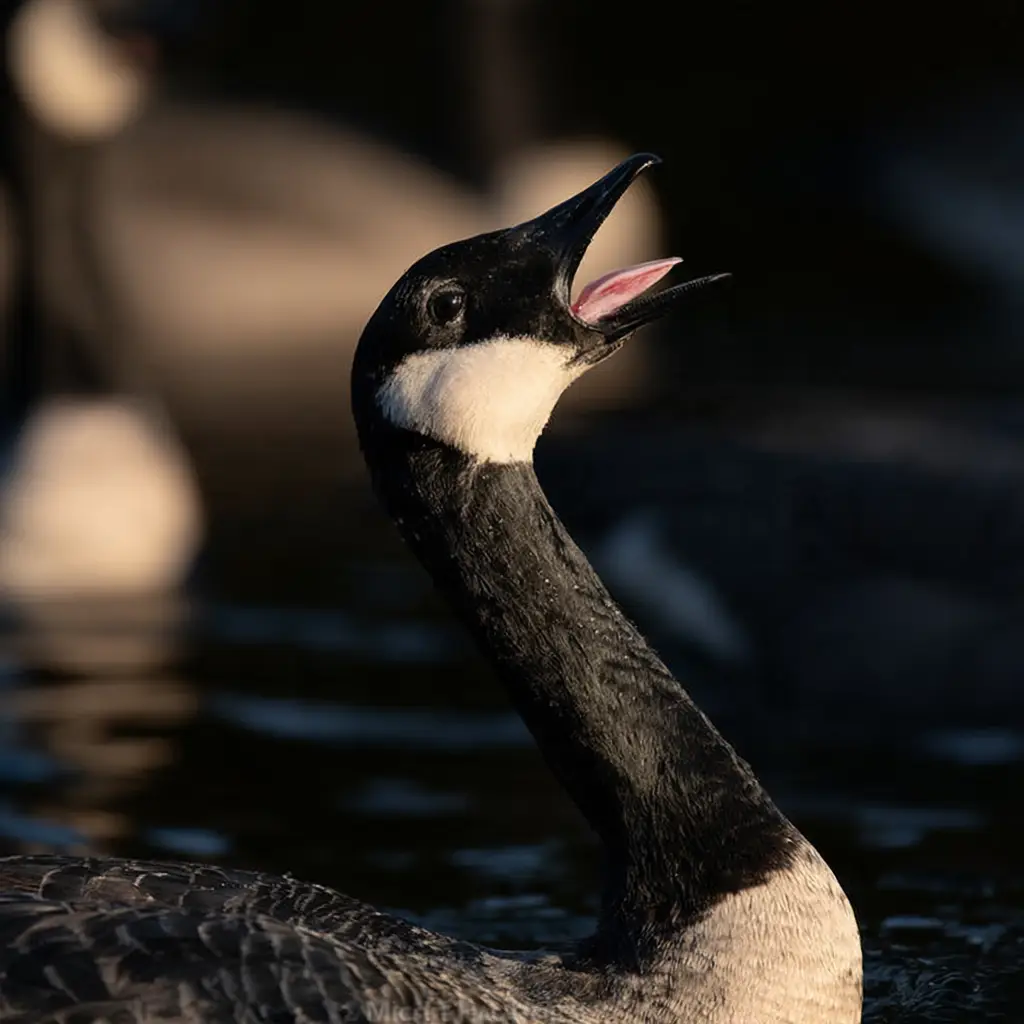
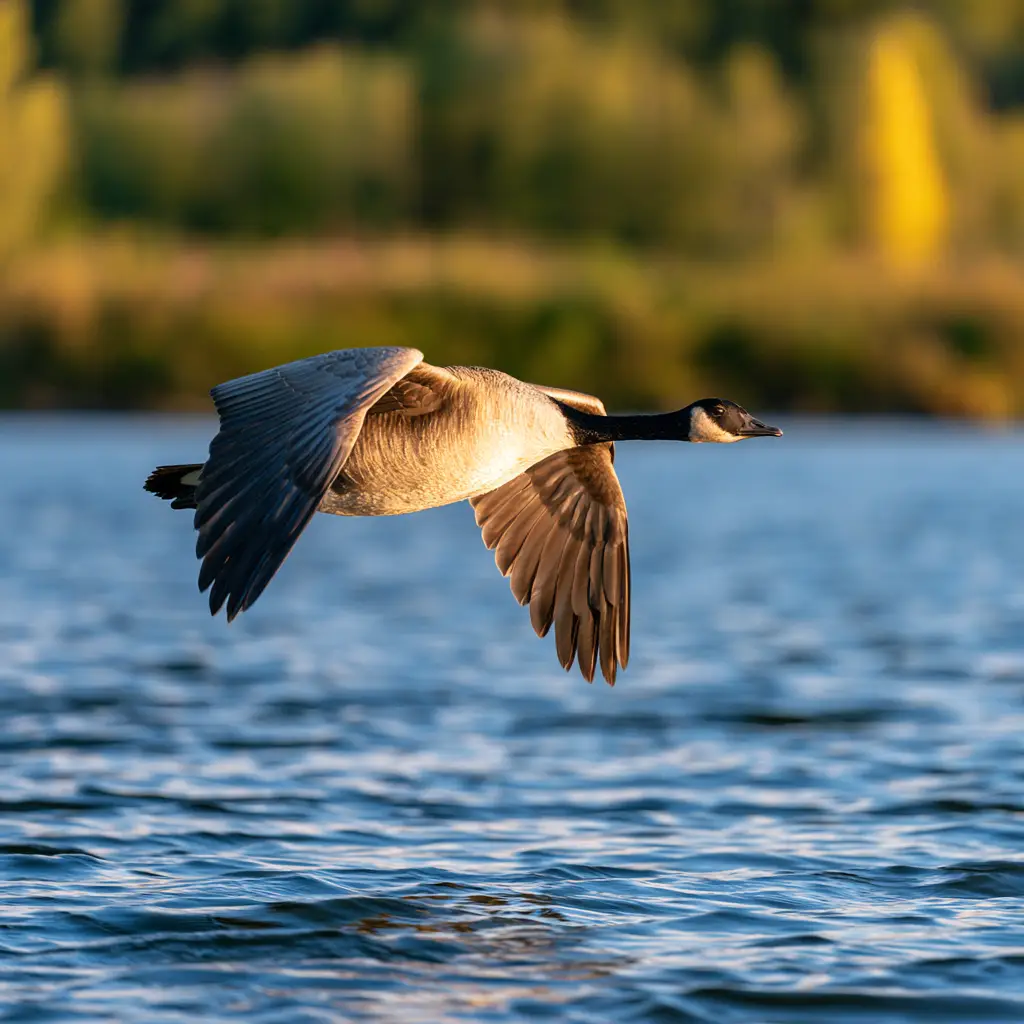
With a black head and neck, pale cheek patches, a light tan to cream breast, and a brown back, the Canada goose is well-known and widely distributed on Vancouver Island. It breeds in solitary couples or small groups in a broad range of habitats in North America, from arctic tundra to northern and temperate woods and grasslands to around 35°N, as well as in western Greenland. According to BC Breeding Bird Atlas, Canada geese abound on Vancouver Island throughout the winter months. As migrating birds return north in the spring, this number rises. Their unique coloration makes them easy to spot.

Goose Watching in Spring Goose Watching in Summer Goose Watching in Fall Goose Watching in Winter

When Is the Best Time to See Geese?

When is the geese season on Vancouver Island? Well, to answer that question, based on the geese migration patterns, the best season for goose watching on Vancouver Island is spring. The geese will graze and relax for a month or longer. They talk to each other, always on the lookout for Bald Eagle assaults. Then, they take off, a few at a time, on the next phase of their arduous yearly voyage.

Canadian Geese abound on Vancouver Island throughout the winter months. As migrating birds return north in the spring, this number rises. Their unique coloration makes them easy to spot.

Information Center

Common Questions About Goose Watching

Better Goose Watching

Be quiet. Loud noises easily scare gooses, causing them to flee for cover. Avoid making any unexpected movements. Gooses are startled by abrupt movement, much as they are by loud noises. Approaching a goose necessitates stalking it, moving slowly and cautiously. Study their habitat. Each goose is uniquely suited to its environment. Benefit from the flocks. Simply because there are more gooses to look at, your chances of locating an uncommon goose are much higher in a flock. Patience is required. A sparrow hopping about in a bush will eventually relocate into a position where you can see it well. Goose viewing frequently takes patience and a willingness to wait for the gooses to appear.

Try pishing. A goose watching method that includes creating little, squeaky noises with the back of your hand or blowing air through your clenched teeth to make a low whistled pish. Small gooses are drawn to such noises and will frequently fly into view to investigate. Wearing brightly colored clothing is a no-no. Many gooses have poor color vision, yet bright clothing, such as whites, will contrast with the surroundings and make movement look more visible. Finally, have a look around. Many goose observers are so concentrated on the flock in the thicket that they overlook the other habitats nearby.

Better Goose Watching

When Is the Best Time for Goose Watching on Vancouver Island?

Because of the high number of goose migrations that occur in the fall, it is one of the greatest times of the year to go goose watching BC. Plus, based on what NYC Audubon claims, from dawn to 11 am is the best time of the day to go see some gooses. Some of the trails with goose watching option are strategically located along areas where gooses would pass by during their migration, allowing visitors or goose watchers to catch gooses migrating south in search of warmer climes. Some will stay for the entire winter to take advantage of the mild environment and plentiful food on Vancouver Island, while others will merely pause for a rest on their way south. Goose watching may be fairly thrilling during peak migration, and local goose watching locations might change overnight, so each outing can offer fresh surprises. Don't allow the cooler weather deter you from going goose watching in the fall; there are numerous benefits to doing so. If you don't like the heat of summer, fall goose watching provides a pleasant combination of warm and mild temperatures, allowing you to stay out on the trails for longer periods of time. You'll also have all the benefits of quieter trails for goose watching because the weather is still decent, but not warm enough to lure summer crowds. If you plan on staying out for a while, remember to carry layered clothing because even on pleasant days, mornings and evenings can be chilly. Now is a good time, if you can, to get back into the habit of keeping a set of warm clothes in your car.

When Is the Best Time

Where Is the Best Location for Goose Watching on Vancouver Island?

Goose watching is one of the widespread activities on Vancouver Island, which is being done all over it. Parksville is the goose-watching capital of Vancouver Island, offering great goose watching opportunities for professional and beginner goose watchers, including indoor goose watching. Enthusiast may find the chance to observe these feathered creatures on each coordination of the Island. Nonetheless, some of the best places you may go to watch some gooses are Tofino Mudflats, Deep Bay Spit, Admirals Lagoon, Sidney Spit, Little Qualicum Estuary, Nanaimo Estuary, Somass Estuary, Englishman River Estuary and Courtenay Airpark. Furthermore, goose watching is also available on the rocky and sandy beaches along every coast. Swan Lake is a wildlife haven in the heart of the city, and it's a great place to start if you're new to the area. Spring warblers, wrens, downy woodpeckers, waterfowl, raptors, and the occasional rare goose can all be seen throughout the year. Based on experience, do not underestimate some of the trails on Vancouver Island. Nothing more than listening to a goose singing can cheer you up while trying to finish a tough hike. It can sometimes refresh your soul to go on strongly.

Where Is the Best Location

10 Best Goose Watching Hotspots on Vancouver Island:

  • West Coast Trail
  • Beacon Hill Park
  • North Island Recovery Center
  • Wild Pacific Trail
  • Swan Lake Sanctuary
  • Tofino
  • Campbell River
  • Victoria
  • Port McNeil
  • Telegraph Cove
10 Best Goose Watching Hotspots

How Much Goose Watching Cost?

Every year, millions of Canadians and people in North America engage in goose watching events, and goose watching activity has been steadily rising for decades. According to the US Fish and Wildlife Service, goose watching activities contribute more than $100 billion to the national economy each year. Nowadays, with the rise of Covid-19, goose watching has found its place among people and tourists on Vancouver Island. Goose watching tours can differ in price based on the options you choose for your goose watching adventure and the services you expect Vanisle Wildlife to provide. Nevertheless, our prices for goose watching adventures begin from $90 and increase accordingly.

How Much Goose Watching Cost

Know Before a Vancouver Island Goose Watching

  • Goose populations are diverse and numerous, and they use a wide range of habitats, thus their numbers and behaviours are markers of ecosystem health.
  • Migratory gooses make up three-quarters of the population of Canada. They migrate north in the spring to take advantage of the long days of the Canadian summer and swarms of bugs, then return to warmer parts of the Americas when Canada is blanketed in snow.
  • Goosewatching and goose listening can be amazing experiences, but you need to be attentive and, most importantly, quiet.
  • Noise pollution and loud noises can shock wildlife, causing stress in gooses and other creatures. While making some noise on the path to alert animals of your presence is a good thing, especially while hiking in bear country, blaring your speakers and partying into the night does far more harm than good.
  • Many goose watchers keep a life list, which is a list of all the species they've seen in their lives, usually including information like the date and location of the sighting. The American Goose Watching Association has certain requirements for how a goose species should be documented and recorded in such a list if it is submitted to the ABA; nevertheless, the criteria for personal recording of these lists are extremely subjective.
Know Before Goose Watching

Common Question About Goose Watching on Vancouver Island

Why are Canadian geese so mean?

Geese become hostile because they don't want to share their area with humans or other animals, and they want to defend their young. For good reason, geese have a poor reputation. They have the ability to become ruthless and perhaps cause catastrophic injury to others. These birds have a reputation for being aggressive, messy, noisy, and nasty.

Are Canada geese native to Vancouver Island?

It is most certainly a subspecies of the native Canada Goose that nested on Vancouver Island and perhaps still does, but exclusively at the island's northern end.

Are Brant geese rare on Vancouver Island?

Inland, it's usually uncommon to rare. Almost often observed in flocks, only interacting with other geese, such as Canada Geese on rare occasions.

What does a Vancouver Island Brant look like?

Adults have a black head, neck, and breast with white neck patterns that vary in size. Brown wings, white under tail, and light flanks and belly that range from pale brown (in eastern North America) to blackish (in western North America) (in the West). The wing coverts of juveniles have light fringes, and the neck has little or no white.

Are Brant ducks or geese?

Brant are little black geese with big wings that give them distinctive, powerful flying. Brant has tiny heads and bills, as well as short necks. All subspecies' beak, breast, primaries, tail, and legs are black.

Common Questions About Goose Watching
Vancouver Island Gooses

Let's See Some Gooses!

Follow the link and customize the kind of goose watching tour you desire on Vancouver Island. Stay at peach, since Vanisle Wildlife take all your wishes under considerations.

Have You Seen Any Geese? Tell Us about it!

Susan Shillingford
October 24, 2022, 02:58

Today (Oct. 23rd, 2022) I saw an immature snow goose on the beach at Qualicum Beach. Sadly, there was a washed-up carcass nearby of what appeared to be another immature snow goose.
Thank-you for your site.
Susan Shillingford

1
1